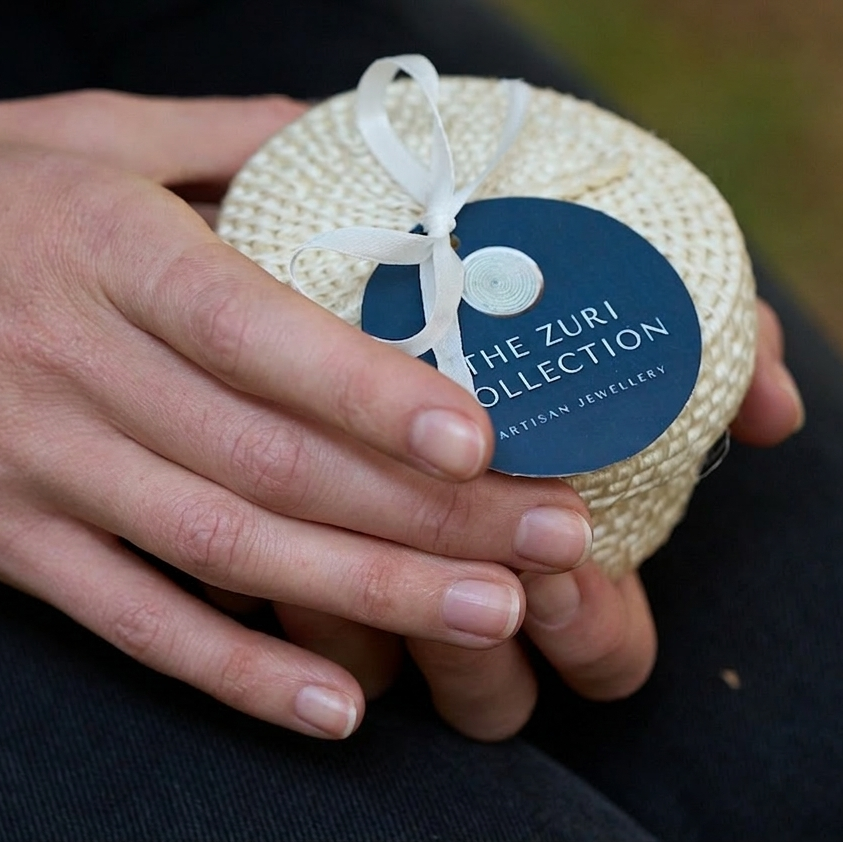
The Complete Guide to Caring for Sterling Silver Jewellery
 Whether you've just bought your first sterling silver necklace or inherited a treasured family heirloom, this guide will help you keep your jewellery looking beautiful for years to come.
Introduction
Most people don't damage their sterling silver jewellery because they don't care. They damage it because they've been given bad advice.
If you've ever wondered why sterling silver tarnishes, whether toothpaste really cleans silver, if ultrasonic cleaners are safe, or why two jewellers can give completely different advice, you're in the right place.
The internet is full of conflicting information about caring for sterling silver jewellery. Some advice is excellent. Some is outdated. Some can even damage your jewellery.
This guide brings everything together in one place.
You'll learn why sterling silver tarnishes, how to prevent it, the safest ways to clean it, which popular cleaning methods to avoid, how to care for different gemstones, and the professional techniques that help sterling silver jewellery last for generations.
Before we begin, I'd like to tell you a little about why I'm writing this guide.
I made my first piece of sterling silver jewellery when I was seventeen years old, and I've been fascinated by this remarkable metal ever since.
Although my career eventually took me into the world of marketing, jewellery making was never far behind. For decades it remained the creative thread running through my life—a craft I returned to whenever I had the chance.
Fourteen years ago I founded The Zuri Collection, bringing together my love of silversmithing, Zimbabwean heritage and meaningful design. Five years ago I made the decision to leave the corporate world behind and dedicate myself to jewellery full time.
Over more than three decades, I've learnt that sterling silver is both wonderfully durable and surprisingly misunderstood. I've designed jewellery, made it, repaired it and restored treasured pieces, and along the way I've also seen beautiful jewellery damaged by well-intentioned but poor advice.
Even after all these years, sterling silver still has the ability to surprise me. It's a metal that rewards understanding, and the more you learn about it, the more fascinating it becomes.
One thing I've learnt is that caring for sterling silver isn't actually difficult. The difficult part is knowing which advice to trust.
That's why I created this guide for you.
Not to sell you another polishing cloth or persuade you to buy specialist cleaning products, but to give you clear, honest advice based on decades of working with sterling silver, trusted industry knowledge, and the same principles we use every day in our own workshop.
Some jewellery is bought on a whim.
Some jewellery marks a birthday, an anniversary or a graduation.
Some pieces become part of your everyday life. They are the necklace you never take off, the ring that reminds you of someone you love, or the bangle that has travelled across continents with you.
And then there are the pieces that quietly become family heirlooms.
At The Zuri Collection, we believe jewellery should be made to last for generations. Sterling silver is one of the most beautiful and enduring precious metals in the world, but like anything worth keeping, it benefits from a little care.
Our hope is that years from now, when someone admires your jewellery, you'll be able to smile and say,
"I've looked after this for years."
Or perhaps,
"This belonged to my mother."
Or even,
"This has been in our family for generations."
Because beautiful jewellery isn't just made.
It's cared for.
Table of Contents
Introduction
Chapter 1: What Is Sterling Silver?
Chapter 2: Why Does Sterling Silver Tarnish?
Chapter 3: Myth: Genuine Sterling Silver Should Never Tarnish
Chapter 4: How to Keep Your Sterling Silver Jewellery Looking Its Best
Chapter 5: How to Store Sterling Silver Jewellery Properly
Chapter 6: How to Clean Sterling Silver Jewellery Safely
Chapter 7: Understanding Gemstones & Caring for Natural Materials
Chapter 8: A Jeweller's Advice
Chapter 9: Frequently Asked Questions About Sterling Silver Jewellery
A Final Thought
Chapter 1
What Is Sterling Silver?
One of the biggest misconceptions about sterling silver is that it is "pure silver."
It isn't.
Pure silver (known as fine silver) contains 99.9% silver. Although it is beautiful, it is also extremely soft. A ring made from pure silver would scratch easily, bend with everyday wear and gradually lose its shape.
For this reason, jewellers rarely use pure silver for jewellery that is intended to be worn every day.
Instead, jewellers use sterling silver.
Sterling silver contains:
- 92.5% pure silver
- 7.5% other metals, usually copper
That small amount of copper makes an enormous difference.
It gives sterling silver the strength needed to withstand everyday life while still retaining the bright white colour and beautiful lustre that people love.
If you've ever seen 925, .925, Sterling, or Sterling Silver stamped inside a ring or on the clasp of a necklace, you've seen this standard in action.
These markings indicate that the jewellery meets the internationally recognised sterling silver standard of 92.5% pure silver.
Why Not Make Jewellery from Pure Silver?
Imagine making a kitchen knife from butter.
It would look beautiful.
It just wouldn't work very well.
Pure silver has a similar problem.
Although it's a precious metal, it's simply too soft for most jewellery.
Adding a small amount of copper allows jewellers to create rings that hold their shape, bracelets that withstand years of wear and necklaces that remain durable enough for everyday use.
Without that alloy, many treasured pieces simply wouldn't last.
Jeweller's Tip
When buying sterling silver, look for a quality mark such as 925, .925, Sterling, or Sterling Silver, or purchase from a reputable jeweller who can tell you exactly what your jewellery is made from.
Not every genuine piece is hallmarked—particularly very small items or handmade pieces—but a trusted maker should always be able to confirm the metal they use.
Chapter 2
Why Does Sterling Silver Tarnish?
This is probably the question people ask more than any other.
The answer surprises many people.
Silver doesn't tarnish because it's poor quality.
It tarnishes because it's doing exactly what genuine sterling silver naturally does.
In fact, if your sterling silver jewellery never changed at all over many years, that would be far more unusual.
The Simple Science
Air contains tiny amounts of sulphur compounds.
These come from many everyday sources, including:
- Air pollution
- Vehicle exhaust
- Natural gases
- Certain foods
- Wool
- Rubber
- Paper products
- Even the human body
When sterling silver comes into contact with these sulphur compounds, a very thin dark layer slowly forms on the surface.
This layer is called silver sulphide.
That is tarnish.
It isn't dirt.
It isn't rust.
It isn't the silver "going bad."
It's simply a natural chemical reaction happening on the surface.
The silver underneath is still there.
Most tarnish can be removed without harming the jewellery when cleaned correctly.

Every Zuri Collection piece is handcrafted from recycled sterling silver in our Bulawayo workshop. Like all genuine sterling silver, it naturally develops a patina over time that can easily be restored with proper care.
Everyday Life Can Speed Up Tarnishing
While air is responsible for the natural tarnishing process, everyday life often speeds it up.
Perfumes, hairsprays, body lotions, moisturisers, sunscreen, makeup and even some soaps can leave residues on your jewellery. These can react with the silver or trap moisture against its surface, encouraging tarnish to develop more quickly.
Swimming in chlorinated pools or hot tubs, handling household cleaning products and storing jewellery in humid environments can also accelerate tarnishing.
Then there's something many people don't realise.
Your own body chemistry plays a part too.
That's why two people can buy the same pair of sterling silver earrings, wear them under seemingly similar conditions, and have completely different experiences with tarnish.
Neither person's jewellery is better than the other's.
Sterling silver is simply responding to the unique chemistry of the person wearing it.
| 💡 Quick Tip Put your jewellery on last and take it off first. This simple habit helps reduce contact with perfumes, lotions and hairspray. |
What Menopause Taught Me About Sterling Silver
One of the questions I hear surprisingly often is whether hormones can affect sterling silver jewellery.
It's a question that became very personal for me.
For most of my life, my own jewellery tarnished at what I'd call a fairly normal rate. Then, as I went through menopause, I noticed something I'd never experienced before.
My sterling silver earrings began tarnishing much more quickly than they ever had.
It wasn't subtle.
It was so noticeable that I initially wondered if there was something wrong with the silver.
There wasn't.
The jewellery hadn't changed.
I had.
Curious to understand what was happening, I began researching whether hormonal changes could affect sterling silver. While there isn't strong scientific evidence proving that menopause itself causes sterling silver to tarnish more quickly, we do know that hormonal changes can alter skin chemistry, perspiration and the natural oils our skin produces. Those changes may influence how quickly tarnish develops on jewellery that's worn against the skin.
Since then, I've spoken to other women who've experienced similar changes, and many jewellers have observed differences during periods of hormonal change, including pregnancy and menopause.
Does this happen to everyone?
No.
But if you've found yourself wondering why your favourite silver earrings suddenly seem to need cleaning more often than they used to, you're certainly not imagining it.
Sometimes it's not the jewellery that's changed.
It's the chemistry of the person wearing it.
Think of Tarnish Like a Banana
A banana turns brown after you peel it.
That doesn't mean the banana is bad.
It means nature is doing what nature does.
Sterling silver behaves in much the same way.
Exposure to air and everyday life slowly changes its surface.
The important thing to understand is that tarnish is usually superficial.
It affects only the outermost surface, not the structure of the jewellery itself.
Why Does Silver Turn Black?
When tarnish is ignored for a long time, the thin grey layer gradually becomes darker.
Eventually, it may appear:
- Dark grey
- Charcoal
- Brown
- Almost black
People often think this means the jewellery has been ruined.
Fortunately, it rarely has.
It simply needs more cleaning than if the tarnish had been removed earlier.
Jeweller's Tip
Light tarnish is much easier to remove than heavy tarnish.
A quick clean every few months is usually kinder to your jewellery than waiting several years before polishing it.
Every time sterling silver is polished, a microscopic amount of the metal is removed. That's perfectly normal, but over many decades, unnecessary polishing can gradually wear away fine details. Gentle, regular care means less polishing and helps preserve your jewellery for generations.
Myth: Genuine Sterling Silver Should Never Tarnish
This is one of the biggest myths on the internet.
Unfortunately, it causes many people to question perfectly genuine sterling silver jewellery.
You may have heard statements like:
"Real silver never tarnishes."
Or:
"If it tarnished, it must be fake."
Neither is true.
In fact, the opposite is often closer to reality.
Because sterling silver contains copper, it is expected to tarnish over time.
How quickly it tarnishes depends on many different factors, including where it's worn, how it's stored, the products it comes into contact with and even the chemistry of the person wearing it.
Professional jewellers, museums and conservators all expect sterling silver to tarnish.
If they didn't, they wouldn't spend so much time carefully storing, cleaning and preserving antique silver collections.
Tarnish is not a sign that you've done something wrong.
It is not a sign that your jewellery is poor quality.
It is simply part of owning genuine sterling silver.
Why Doesn't Some Silver Jewellery Tarnish?
This is where things become a little more interesting.
As a jeweller, if someone tells me they've worn a piece of "sterling silver" every day for years and it has never tarnished at all, one of the first questions I ask myself is whether the jewellery is actually bare sterling silver.
There are several reasons why silver may stay bright for much longer.
Rhodium Plating
One of the most common reasons is rhodium plating.
Rhodium is a precious metal from the platinum family. It has an exceptionally bright white finish and is highly resistant to tarnishing.
Many jewellers apply a very thin layer of rhodium over sterling silver jewellery to give it a brilliant white appearance and reduce the need for regular polishing.
It's a perfectly legitimate and widely used jewellery finish.
However, rhodium plating doesn't last forever.
Over time—particularly on rings, bracelets and other pieces worn every day—the plating gradually wears away. When that happens, the sterling silver underneath is exposed and begins behaving exactly as sterling silver naturally does. It may start to tarnish.
Many people mistakenly think the silver is wearing away.
It isn't.
The rhodium coating is simply wearing off, revealing the sterling silver beneath.
Why We Choose Not to Rhodium Plate Our Jewellery
At The Zuri Collection, we've chosen a different approach.
Rhodium plating certainly has its place, and many jewellers use it for very good reasons. It creates a beautiful, bright finish and helps jewellery stay shiny for longer.
Our philosophy is simply different.
I've always loved sterling silver because it feels honest. Sterling silver, like fine leather or natural wood, develops character over time. With a little care, it can always be restored, but I think there's something rather lovely about a piece that quietly reflects the life it has shared with its owner. Jewellery is often there for life's biggest moments—celebrations, adventures, milestones and memories—and I like the thought that, over the years, it carries a little of that story with it. Perhaps that's why I've never been tempted to cover it with another metal.
We believe sterling silver should look and behave like sterling silver.
Rather than covering it with another metal, we prefer to celebrate its natural beauty—knowing that, over time, it may develop a little tarnish, but that tarnish can be gently removed to reveal the same sterling silver beneath.
It's a little like buying a beautiful leather bag. Part of its character comes from being a natural material rather than something that's been coated to stay looking new forever.
Neither approach is right or wrong.
It's simply a matter of philosophy.
For us, there's something rather special about knowing that what you're seeing is sterling silver through and through.
The trade-off is that your jewellery may need a little more care from time to time—but it will never need to be re-plated.
Silver-Coloured Jewellery Isn't Always Sterling Silver
Not every piece of silver-coloured jewellery is made from solid sterling silver.
Some jewellery is silver-plated, while other pieces are made from base metals with a silver-coloured finish.
These can look remarkably similar to sterling silver but often behave very differently over time.
That's why it's always worth knowing exactly what your jewellery is made from before deciding how to care for it.
Before You Use a Silver Cleaner...
One of the biggest mistakes I see is people assuming a piece is sterling silver simply because it looks silver.
If you're not completely certain that your jewellery is solid sterling silver, don't use home silver-cleaning solutions, chemical dips or other silver cleaners until you've confirmed what the metal is.
Some plated jewellery, costume jewellery and pieces made from other metals can be permanently damaged by cleaners that are perfectly safe for sterling silver.
If you're unsure, ask a trusted jeweller before cleaning it.
It's always better to spend a few minutes identifying the metal than risk damaging a treasured piece.
Jeweller's Tip
Don't judge sterling silver by whether it tarnishes.
Judge it by how beautifully it can be restored.
One of sterling silver's greatest qualities is that, with proper care, it can often be brought back to a beautiful, bright finish—even after years of neglect.
Chapter 3
Myth: Genuine Sterling Silver Should Never Tarnish
This is one of the biggest myths on the internet.
Unfortunately, it causes many people to question perfectly genuine sterling silver jewellery.
You may have heard statements like:
"Real silver never tarnishes."
Or:
"If it tarnished, it must be fake."
Neither is true.
In fact, the opposite is often closer to reality.
Because sterling silver contains copper, it is expected to tarnish over time.
How quickly it tarnishes depends on many different factors, including where it's worn, how it's stored, the products it comes into contact with and even the chemistry of the person wearing it.
Professional jewellers, museums and conservators all expect sterling silver to tarnish.
If they didn't, they wouldn't spend so much time carefully storing, cleaning and preserving antique silver collections.
Tarnish is not a sign that you've done something wrong.
It is not a sign that your jewellery is poor quality.
It is simply part of owning genuine sterling silver.
Why Doesn't Some Silver Jewellery Tarnish?
This is where things become a little more interesting.
As a jeweller, if someone tells me they've worn a piece of "sterling silver" every day for years and it has never tarnished at all, one of the first questions I ask myself is whether the jewellery is actually bare sterling silver.
There are several reasons why silver may stay bright for much longer.
Rhodium Plating
One of the most common reasons is rhodium plating.
Rhodium is a precious metal from the platinum family. It has an exceptionally bright white finish and is highly resistant to tarnishing.
Many jewellers apply a very thin layer of rhodium over sterling silver jewellery to give it a brilliant white appearance and reduce the need for regular polishing.
It's a perfectly legitimate and widely used jewellery finish.
However, rhodium plating doesn't last forever.
Over time—particularly on rings, bracelets and other pieces worn every day—the plating gradually wears away. When that happens, the sterling silver underneath is exposed and begins behaving exactly as sterling silver naturally does. It may start to tarnish.
Many people mistakenly think the silver is wearing away.
It isn't.
The rhodium coating is simply wearing off, revealing the sterling silver beneath.
Why We Choose Not to Rhodium Plate Our Jewellery
At The Zuri Collection, we've chosen a different approach.
Rhodium plating certainly has its place, and many jewellers use it for very good reasons. It creates a beautiful, bright finish and helps jewellery stay shiny for longer.
Our philosophy is simply different.
I've always loved sterling silver because it feels honest. Sterling silver, like fine leather or natural wood, develops character over time. With a little care, it can always be restored, but I think there's something rather lovely about a piece that quietly reflects the life it has shared with its owner. Jewellery is often there for life's biggest moments—celebrations, adventures, milestones and memories—and I like the thought that, over the years, it carries a little of that story with it. Perhaps that's why I've never been tempted to cover it with another metal.
We believe sterling silver should look and behave like sterling silver.
Rather than covering it with another metal, we prefer to celebrate its natural beauty—knowing that, over time, it may develop a little tarnish, but that tarnish can be gently removed to reveal the same sterling silver beneath.
It's a little like buying a beautiful leather bag. Part of its character comes from being a natural material rather than something that's been coated to stay looking new forever.
Neither approach is right or wrong.
It's simply a matter of philosophy.
For us, there's something rather special about knowing that what you're seeing is sterling silver through and through.
The trade-off is that your jewellery may need a little more care from time to time—but it will never need to be re-plated.
Silver-Coloured Jewellery Isn't Always Sterling Silver
Not every piece of silver-coloured jewellery is made from solid sterling silver.
Some jewellery is silver-plated, while other pieces are made from base metals with a silver-coloured finish.
These can look remarkably similar to sterling silver but often behave very differently over time.
That's why it's always worth knowing exactly what your jewellery is made from before deciding how to care for it.
Before You Use a Silver Cleaner...
One of the biggest mistakes I see is people assuming a piece is sterling silver simply because it looks silver.
If you're not completely certain that your jewellery is solid sterling silver, don't use home silver-cleaning solutions, chemical dips or other silver cleaners until you've confirmed what the metal is.
Some plated jewellery, costume jewellery and pieces made from other metals can be permanently damaged by cleaners that are perfectly safe for sterling silver.
If you're unsure, ask a trusted jeweller before cleaning it.
It's always better to spend a few minutes identifying the metal than risk damaging a treasured piece.
Jeweller's Tip
Don't judge sterling silver by whether it tarnishes.
Judge it by how beautifully it can be restored.
One of sterling silver's greatest qualities is that, with proper care, it can often be brought back to a beautiful, bright finish—even after years of neglect.

Chapter 4
How to Keep Your Sterling Silver Jewellery Looking Its Best
By now, you know that tarnish is a perfectly natural part of owning sterling silver.
The good news is that while you can't stop sterling silver from reacting with its environment forever, you can slow the process dramatically with a few simple habits.
None of them takes much time.
In fact, most of them become second nature.
As a jeweller, I can usually tell whether a piece has been loved and cared for over the years—not because it has never tarnished, but because its owner developed a few good habits.
Here are the ones I recommend.
Wear Your Jewellery
This might sound surprising, but one of the best places to store sterling silver jewellery is actually on you.
Jewellery that's worn regularly often stays brighter than jewellery left sitting in a drawer for months.
Gentle movement against clothing helps prevent heavy tarnish from building up, and regular wear means you're more likely to notice when a piece needs a quick wipe with a polishing cloth rather than a full clean months later.
Of course, there are exceptions.
If you're gardening, swimming, exercising or working with household chemicals, it's always best to remove your jewellery first.
But for normal everyday wear?
Sterling silver was made to be enjoyed—not hidden away.
Make Jewellery the Last Thing You Put On
One of the easiest habits you can develop is one jewellers have repeated for generations:
Last on. First off.
Apply your:
- Moisturiser
- Sunscreen
- Makeup
- Perfume
- Hairspray
...before putting on your jewellery.
Even if these products don't immediately damage sterling silver, they can leave residues on its surface that encourage tarnishing and dull its shine over time.
At the end of the day, take your jewellery off before removing makeup or applying skincare products.
It's a tiny habit that makes a surprisingly big difference.
Know When to Take It Off
Sterling silver is beautifully durable, but it doesn't need to accompany you through every activity.
I recommend removing your jewellery before:
- Swimming in chlorinated pools
- Swimming in the ocean
- Using a hot tub
- Cleaning with household chemicals
- Gardening
- Heavy lifting
- Gym workouts
- DIY projects
- Painting
- Using bleach or strong cleaning products
Not because your jewellery is delicate...
...but because it's precious.
Looking after it means it will still be beautiful years from now.
Give It a Quick Wipe
One of the simplest habits is also one of the most effective.
Before putting your jewellery away, gently wipe it with a soft microfibre or jewellery polishing cloth.
This removes:
- Skin oils
- Fingerprints
- Moisture
- Everyday residue
It usually takes less than thirty seconds.
Those few seconds often mean you'll spend far less time polishing your jewellery in the future.
Don't Wait Until It's Black
One mistake I see quite often is people waiting until their jewellery is heavily tarnished before cleaning it.
Light tarnish is easy to remove.
Heavy tarnish usually takes much longer.
Think of it like cleaning your home.
A few minutes every now and then is much easier than spending an entire weekend catching up.
The same applies to sterling silver.
Store It Properly
When you're not wearing your jewellery, where you keep it matters.
Leaving silver exposed to air, humidity and household chemicals will encourage tarnish to develop much more quickly.
We'll look at storage in much more detail in the next chapter, but for now, remember this simple rule:
The less exposure your jewellery has to air and moisture, the longer it will stay bright.
Remember Why You Bought It
One thing I've noticed over the years is that people sometimes become so worried about tarnish that they're almost afraid to wear their jewellery.
Please don't.
Jewellery isn't meant to spend its life in a jewellery box.
It's meant to be worn.
It becomes part of family celebrations, holidays, weddings, birthdays, quiet moments and ordinary days that later become treasured memories.
If it picks up the occasional tiny scratch or needs a gentle polish now and then, that's simply part of a life well lived together.
The memories it carries will always be worth far more than a perfectly untouched finish.
Jeweller's Tip
Don't aim to keep your sterling silver looking as though it has never been worn.
Aim to keep it looking loved.
A few simple habits and occasional care will allow your jewellery to age beautifully, while remaining something you can wear and enjoy for decades.

Chapter 5
How to Store Sterling Silver Jewellery Properly
Most people think about cleaning their jewellery.
Far fewer think about storing it.
Yet, in my experience, the way you store your sterling silver has just as much impact on how it looks months or even years later.
The good news is that storing sterling silver properly isn't difficult or expensive.
It's simply about protecting your jewellery from the things that encourage tarnish—air, moisture and humidity.
A few simple habits can make a remarkable difference.
Air Is Sterling Silver's Biggest Enemy
Unlike rust, which is caused primarily by moisture, sterling silver tarnishes because it reacts with sulphur compounds in the air.
That means the more air that can circulate around your jewellery, the more opportunities there are for tarnish to develop.
You can't eliminate the air completely, but you can reduce your jewellery's exposure to it—and that alone can significantly slow the tarnishing process.
Keep It Dry
Moisture accelerates tarnishing.
Bathrooms are one of the worst places to store sterling silver, even though they're where many people naturally keep their jewellery.
Every hot shower fills the room with warm, humid air. Over time, that moisture finds its way into jewellery boxes and drawers, creating the perfect environment for tarnish to develop.
Instead, store your jewellery somewhere cool and dry, such as:
- A bedroom drawer
- A wardrobe
- A dressing table away from direct sunlight
- A cool cupboard
Try to avoid storing jewellery:
- In bathrooms
- Beside sinks
- Near open windows
- In laundry rooms
My Slightly Obsessive Storage Habit
People often ask me how I store my own jewellery.
The answer usually makes them smile.
I keep almost every piece in its own little ziplock bag, squeezing out as much air as possible before sealing it.
Is it the most environmentally friendly approach?
Probably not.
It's one of the very few places where practicality wins over my environmental principles.
After working with sterling silver for so many years, I've seen just how effective reducing exposure to air can be, so it's become a habit I simply can't break.
Those little bags all live inside a small silver and wooden jewellery box that my mom gave me many years ago.
Perhaps that's why I still keep my jewellery in that little box. The jewellery inside has changed over the years, but the box has stayed the same. Somehow, they both tell part of my story.
Give Every Piece Its Own Space
Whenever possible, store each piece separately.
Jewellery rubbing against jewellery can lead to scratches, tangled chains and unnecessary wear.
I recommend storing:
- Rings individually.
- Earrings together as pairs.
- Necklaces fastened to help prevent tangles.
- Gemstone jewellery where harder pieces can't knock against softer stones.
It only takes a few extra moments, but those small habits help keep your jewellery looking its best for years to come.
Choosing a Jewellery Box
A jewellery box doesn't need to be expensive.
The most important thing is that it keeps your jewellery organised, protected and away from unnecessary humidity.
Soft fabric linings help reduce scratches, while separate compartments prevent pieces rubbing against one another.
Just remember that even the best jewellery box won't prevent tarnishing if it's kept in a damp environment. Where you store the box is just as important as the box itself.
Are Anti-Tarnish Products Worth Buying?
You'll find plenty of anti-tarnish bags, strips and storage products available online.
Many of them work very well.
If you have a large jewellery collection or you're storing pieces for extended periods, they can be a worthwhile investment.
For most people, however, regular wear, sensible storage and keeping exposure to air to a minimum will do an excellent job.
Travelling With Sterling Silver Jewellery
Travelling doesn't have to mean tangled necklaces and scratched rings.
Pack each piece separately using small ziplock bags, soft pouches or a travel jewellery organiser.
Fasten necklaces before packing them to reduce tangles, and avoid throwing several pieces together in the same pouch.
A few minutes of organisation before you leave home can save a lot of frustration when you arrive.
If You Only Wear It Occasionally
Some jewellery is worn every day.
Other pieces only come out for weddings, anniversaries or special occasions.
Before putting these pieces away for several months, give them a quick wipe with a soft polishing cloth to remove fingerprints, skin oils, perfume and everyday residue.
When you next take them out, they'll usually need very little cleaning because you've stored them properly from the beginning.
Jewellery Is Made to Last
One of the things I love most about sterling silver is that, when it's cared for properly, it can outlive the person who first wore it.
Many of us own jewellery that once belonged to a parent or grandparent.
With thoughtful care and proper storage, the pieces we wear today can become tomorrow's family heirlooms.
There's something rather wonderful about knowing that a piece you've worn through life's celebrations, adventures and milestones may one day tell part of your story to someone you love.
Jeweller's Tip
Good storage isn't about hiding your jewellery away. It's about protecting it between the moments it's worn.
The better you store your sterling silver, the less time you'll spend cleaning it—and the more time you'll spend simply enjoying it.

Chapter 6
How to Clean Sterling Silver Jewellery Safely
One of the questions I'm asked more than almost any other is:
"What's the best way to clean sterling silver?"
The good news is that sterling silver is wonderfully forgiving.
Even jewellery that has become quite dark with tarnish can usually be restored to a beautiful shine.
The secret isn't finding the strongest cleaner.
It's choosing the gentlest method that gets the job done.
Every time you polish sterling silver, you're removing a microscopic amount of metal. It's an incredibly small amount, but over decades of aggressive polishing, it can eventually soften fine details and wear away crisp edges.
That's why my philosophy has always been simple:
Clean your jewellery as gently as possible, and only as much as necessary.
Over the years, I've restored sterling silver jewellery that people thought was beyond saving. The trick has almost never been using a stronger cleaner—it has been using a gentler one.

Cleaning and Tarnish Are Not the Same Thing
One of the biggest misunderstandings about sterling silver is that people often confuse dirt with tarnish.
Everyday wear leaves jewellery coated with things like skin oils, sunscreen, moisturiser, soap residue and dust. Cleaning removes that everyday grime.
Tarnish is different.
Tarnish is a natural chemical reaction between the silver and sulphur compounds in the air. It requires polishing or a silver cleaner to remove it.
I always deal with the dirt first.
Only then do I decide whether the jewellery actually needs polishing.
My First Line of Defence
Before I reach for a silver cleaning solution, I almost always begin with warm water and a few drops of mild dishwashing liquid.
If I'm cleaning a plain sterling silver piece with no gemstones, I sometimes add a small squeeze of lemon juice before giving it a gentle clean with a very soft toothbrush.
More often than not, that's enough to remove the everyday grime that builds up from wearing jewellery.
Only after the piece is clean do I decide whether it actually needs polishing to remove tarnish.
Please don't use this method on pearls or jewellery containing delicate or porous gemstones. Materials such as pearls, opals, turquoise, coral, amber and some other natural stones require much gentler care and can be damaged by acids or prolonged soaking.
A Silver Polishing Cloth
If the jewellery is clean but still looks dull, my next choice is almost always a good-quality silver polishing cloth.
After making sterling silver jewellery for decades, my favourite cleaning tool isn't particularly exciting.
It's simply a polishing cloth.
It's quick.
It's gentle.
It doesn't involve harsh chemicals.
And for most routine maintenance, it's all that's needed.
I keep one close by because it's often the fastest way to bring a piece back to life.
When a Silver Cleaning Solution Is Needed
If tarnish has become heavier, a professional silver cleaning solution may be the best option.
These products are specifically designed to remove tarnish quickly and effectively.
Follow the manufacturer's instructions carefully, don't leave jewellery soaking longer than recommended, and always rinse and dry it thoroughly afterwards.
I think of silver cleaning solutions as something to use occasionally—not every time jewellery needs cleaning.
Be Gentle
One of the biggest mistakes I see is people scrubbing their jewellery as though they're cleaning a saucepan.
Sterling silver doesn't need force.
In fact, excessive pressure can do more harm than good.
Use a soft cloth, gentle movements and a little patience.
Let the cleaning product do the work.
What About Toothpaste?
Toothpaste has been recommended as a jewellery cleaner for generations.
Personally, I wouldn't recommend it.
Many toothpastes contain fine abrasives designed to polish tooth enamel.
Those same abrasives can leave tiny scratches on sterling silver, especially highly polished surfaces.
There are much better options available.
The Aluminium Foil Method
You've probably seen this online.
A bowl lined with aluminium foil, hot water and baking soda.
It's fascinating because the tarnish is transferred from the silver to the aluminium through a chemical reaction rather than being scrubbed away.
It really does work.
However, I rarely recommend it for jewellery.
The process can sometimes affect intentionally oxidised finishes that many jewellers use to create contrast and detail. It's also not suitable for every gemstone.
For plain sterling silver, it may be useful in some situations, but for jewellery you treasure, I generally prefer slower, gentler methods.
Jewellery With Gemstones Needs Extra Care
Not every gemstone should be cleaned in the same way.
Pearls, opals, turquoise, coral, amber and many other natural materials are far more delicate than sterling silver itself.
Some are porous.
Others are sensitive to acids, chemicals or prolonged soaking.
If your jewellery contains gemstones, always check that the cleaning method is suitable before using it.
When in doubt, clean only the silver with a polishing cloth and avoid immersing the entire piece.
Don't Forget the Hidden Places
Chains.
Clasps.
Behind gemstones.
Inside rings.
These areas collect far more dirt than most people realise.
A very soft toothbrush is perfect for gently removing dirt from hard-to-reach places, provided you're careful around gemstones and delicate settings.
When Should You Let a Jeweller Clean It?
Sometimes jewellery needs more than a simple clean.
If a stone feels loose…
A clasp no longer closes properly…
A chain has become damaged…
Or a piece has sentimental value that you're nervous about cleaning yourself…
Take it to a jeweller.
Cleaning is also an excellent opportunity for a jeweller to check that everything is still secure before a small problem becomes a bigger repair.
A Little Offer From Us
If you ever find yourself in Bulawayo, you're always welcome to stop by our workshop.
If your jewellery was handcrafted by The Zuri Collection, we'll happily give it a complimentary polish while you wait.
Sometimes all a piece needs is a little fresh shine before it's ready to accompany you on its next adventure.
No appointment is usually necessary—just come and say hello.
Jewellery Is Meant to Be Enjoyed
People sometimes think jewellery should sparkle exactly as it did the day they bought it.
I don't think that's necessary.
Sterling silver develops a gentle softness as it's worn and loved.
That's part of its character.
Rather than polishing constantly, I'd much rather see jewellery that has been worn on holidays, to weddings, around dinner tables, on family celebrations and through the ordinary moments that make up a life.
Keep it clean.
Look after it well.
Wear it often.
That's what it was made for.
Jeweller's Tip
If you're ever unsure about a cleaning method, don't ask whether it's the fastest. Ask whether it's the gentlest.
Your jewellery will almost always thank you for it.

Chapter 7
Understanding Gemstones & Caring for Natural Materials
One of the biggest mistakes people make is assuming every piece of jewellery can be cleaned in exactly the same way.
It would certainly make life easier if that were true.
But while sterling silver is remarkably resilient, it's often not the silver that determines how a piece should be cared for.
It's the gemstone.
Or the pearl.
Or the leather.
Or the wood.
As a jeweller, one of the first things I look at isn't the sterling silver—it's what else the jewellery is made from.
Every material has its own strengths, its own vulnerabilities and its own personality.
Understanding those differences is one of the best ways to keep your jewellery looking beautiful for many years to come.
A Note About Birthstones
Birthstones have been treasured for centuries, not only for their beauty but also for the stories they tell.
They celebrate birthdays, milestones, loved ones and life's special moments.
Every gemstone is unique, and each has its own care requirements.
Learning those differences doesn't make jewellery feel fragile.
Instead, it gives you the confidence to enjoy it, knowing you're looking after it in the best possible way.
Start With the Most Delicate Material
Whenever you're deciding how to clean a piece of jewellery, don't ask:
"How do I clean sterling silver?"
Instead ask:
"What's the most delicate material in this piece?"
If a necklace combines sterling silver with pearls, you care for it as though it's a pearl necklace.
If a bracelet combines sterling silver with leather, you care for the leather just as carefully as the silver.
The most delicate material always sets the rules.
Did You Know?
One of the biggest surprises for many people is that a gemstone's value has very little to do with how easy it is to care for.
Diamonds are the hardest natural material on Earth.
Pearls are among the softest.
Emeralds are famous for their natural internal fractures.
Opals actually contain water.
Turquoise is porous.
Each gemstone has its own personality, and understanding those differences is far more important than knowing its price.
Pearls
Pearls are unlike almost every other gemstone.
Rather than being formed deep within the earth, they're created by living oysters and are made from layers of nacre. This makes them softer than most gemstones and much more sensitive to chemicals.
To keep your pearls looking beautiful:
- Put them on after applying perfume, hairspray and cosmetics.
- Remove them before showering or swimming.
- Never use silver cleaning solutions on pearls.
- Wipe them gently with a soft, slightly damp cloth after wearing them.
- Store them separately to avoid scratches.
Pearls are often described as being "last on, first off"—the last thing you put on before leaving the house and the first thing you remove when you return.
Turquoise
Turquoise has been treasured for thousands of years and remains one of the world's most recognisable gemstones.
Because it is naturally porous, it can absorb oils, perfumes and cleaning products. Over time these can gradually alter its colour.
To care for turquoise:
- Avoid soaking it.
- Avoid silver cleaning solutions.
- Avoid ultrasonic cleaners.
- Wipe gently with a damp cloth if necessary.
- Polish only the surrounding sterling silver.
With gentle care, turquoise will remain every bit as beautiful as the day you first wore it.
Onyx
Onyx is one of the easiest gemstones to care for.
Its smooth surface copes well with everyday wear and resists dirt better than many softer stones.
Warm water with a little mild dishwashing liquid is usually all that's needed.
Avoid harsh chemicals where possible, and if you're polishing the sterling silver, try to keep polishing compounds away from the stone itself.
Amethyst
Amethyst is a wonderfully durable gemstone and an excellent choice for everyday jewellery.
Warm water, mild dishwashing liquid and a soft cloth are usually all that's needed to keep it looking beautiful.
One thing many people don't realise, however, is that prolonged exposure to strong sunlight can gradually fade amethyst's rich purple colour.
It's not something that happens after an afternoon outdoors.
Rather, it's years of sitting on a sunny windowsill or being stored in direct sunlight that can slowly reduce the intensity of its colour.
When you're not wearing amethyst jewellery, it's best stored somewhere cool and out of direct sunlight.
Aquamarine
Aquamarine is surprisingly durable, but like all natural gemstones, it deserves gentle treatment.
Clean it with warm water, mild dishwashing liquid and a soft cloth.
Avoid sudden temperature changes and unnecessary exposure to harsh chemicals.
Emerald
Zimbabwe is fortunate to have beautiful emerald deposits, and there is no denying that emeralds are among the world's most captivating gemstones.
They're also one of the gemstones that deserve the greatest respect.
Unlike diamonds or sapphires, emeralds almost always contain natural inclusions and tiny fractures. In fact, jewellers sometimes affectionately refer to these as an emerald's "garden", because these natural features are part of what makes each stone unique.
To improve their appearance, many emeralds are treated with colourless oils or specialised fillers that make these natural fractures less noticeable.
This isn't unusual.
In fact, it's a long-established and widely accepted practice within the jewellery industry when properly disclosed.
The important thing to understand is that these treatments can sometimes be affected by strong cleaning chemicals, heat or ultrasonic cleaners.
Occasionally, someone cleans an emerald and is convinced they've damaged it because cracks suddenly seem to appear.
In reality, the emerald hasn't suddenly cracked.
The cleaning has simply removed some of the oil or filler that was masking fractures already present within the stone.
For that reason, I recommend cleaning emerald jewellery gently using warm water, mild dishwashing liquid and a soft cloth.
If your emerald ever appears different after cleaning, don't panic.
Take it to a reputable jeweller for advice before assuming the stone has been damaged.
As someone who has spent many years making jewellery in Zimbabwe, I've always had enormous respect for emeralds. They are breathtakingly beautiful, but they also remind us that nature rarely creates perfection—and that's part of their charm.
Moonstone
Moonstone is famous for its beautiful floating glow, known as adularescence, which gives it its almost magical appearance.
Although suitable for everyday wear, it is softer than many gemstones and can chip if knocked against harder materials.
Clean it gently using warm water and mild dishwashing liquid, and store it separately from harder jewellery whenever possible.
Peridot
Peridot's fresh green colour has been admired for centuries.
Although perfectly suitable for everyday jewellery, it benefits from gentle treatment.
Warm water, mild dishwashing liquid and a soft cloth are usually all that's required.
Avoid harsh chemicals and unnecessary knocks.
Sapphire
Sapphire is one of the toughest gemstones used in jewellery.
Its excellent hardness makes it particularly well suited to everyday wear.
Warm water, mild dishwashing liquid and a soft cloth are generally all that's needed to keep it looking beautiful.
Although sapphire is extremely durable, it's still wise to avoid heavy impacts that could damage the setting rather than the stone itself.
Diamond
Diamonds are famous for being the hardest natural material on Earth.
That makes them highly resistant to scratching, but hardness doesn't make them indestructible.
A sharp knock can still chip a diamond, particularly around its edges.
Diamonds also attract grease remarkably easily, so regular gentle cleaning helps maintain their sparkle.
Warm water, mild dishwashing liquid and a soft brush are usually all that's required.
Tourmaline
Tourmaline comes in an extraordinary range of colours and is generally a durable gemstone.
Routine cleaning with warm water, mild dishwashing liquid and a soft cloth is usually sufficient.
Avoid prolonged exposure to harsh chemicals and protect it from heavy knocks.
Carnelian
Carnelian has been used in jewellery since ancient Egypt and remains one of my favourite warm-toned gemstones.
It is durable, easy to care for and ideal for everyday wear.
Warm water, mild dishwashing liquid and a soft cloth will usually keep it looking beautiful.
Citrine
Citrine is another gemstone that's generally easy to care for.
Warm water, mild dishwashing liquid and a soft cloth are all that's usually needed.
Like amethyst, prolonged exposure to strong sunlight may gradually reduce the richness of its colour over many years, so it's best stored away from direct sunlight.
Opal
Opal is one of nature's most extraordinary gemstones.
Unlike most gemstones, opal contains water within its structure.
That gives it its remarkable flashes of colour but also means it deserves particularly gentle care.
Avoid sudden temperature changes, prolonged exposure to strong heat and harsh chemicals.
Never use ultrasonic cleaners.
Simply clean the opal gently with warm water, a little mild dishwashing liquid and a soft cloth.
With thoughtful care, opals can remain beautiful for generations.
Malachite
Malachite is instantly recognisable because of its rich green bands and dramatic natural patterns.
It is also one of the softer gemstones we use.
Because it is sensitive to acids and chemicals:
- Never use silver cleaning solution on the stone.
- Avoid soaking.
- Avoid ultrasonic cleaners.
- Wipe gently with a soft damp cloth.
- Polish only the surrounding sterling silver.
A little extra care will preserve its striking colour for many years.
Zimbabwean Granite
One of the more unusual materials we use at The Zuri Collection is Zimbabwean granite.
Although it isn't a traditional gemstone, I love incorporating it into jewellery because it creates a genuine connection to the landscape that inspires so much of our work.
The balancing rocks of the Matobo Hills have stood for millions of years, shaped by time, wind and weather, and our granite jewellery carries a small piece of that story.
Granite is incredibly durable.
Simply wipe it with a soft, damp cloth when necessary and polish only the surrounding sterling silver.
Like the Matobo Hills themselves, it's built to last.
Ebony
One of the things I love about ebony is the beautiful contrast it creates with sterling silver.
Although it's an exceptionally dense hardwood, it is still wood and should be treated differently from metal.
Simply wipe it with a soft, slightly damp cloth before drying it immediately.
Avoid prolonged soaking and storing it in damp environments.
If, after many years, the wood begins to look dry, speak to your jeweller before applying oils or waxes, as different finishes require different care.
One of the lovely things about ebony is that it develops a beautiful warmth through regular handling, so don't be afraid to wear it often.
Leather
Leather brings warmth and texture that beautifully complements sterling silver.
Like sterling silver, it develops character with age.
Remove it before swimming or showering, allow it to dry naturally if it becomes wet, and avoid prolonged exposure to direct heat or harsh chemicals.
Like a favourite leather belt or well-loved wallet, the leather will gradually soften and develop its own unique character.
Those small changes in colour and texture aren't flaws.
They're simply signs of a life well lived.
A Quick Reference Guide
| Material | Warm Water | Mild Dish Soap | Silver Cleaner | Special Care |
|---|---|---|---|---|
| Pearls | ✓ Briefly | ✓ | ✗ | Last on, first off. |
| Turquoise | ✓ Briefly | ✓ | ✗ | Porous. Avoid soaking. |
| Onyx | ✓ | ✓ | Around the silver only | Very durable. |
| Amethyst | ✓ | ✓ | Around the silver only | Avoid prolonged direct sunlight. |
| Aquamarine | ✓ | ✓ | Around the silver only | Avoid sudden temperature changes. |
| Emerald | ✓ | ✓ | ✗ | Avoid ultrasonic cleaners and harsh chemicals. |
| Moonstone | ✓ | ✓ | Around the silver only | Protect from knocks. |
| Peridot | ✓ | ✓ | Around the silver only | Gentle care recommended. |
| Sapphire | ✓ | ✓ | Around the silver only | Very durable. |
| Diamond | ✓ | ✓ | Around the silver only | Hard but can chip if struck. |
| Tourmaline | ✓ | ✓ | Around the silver only | Avoid heavy impacts. |
| Carnelian | ✓ | ✓ | Around the silver only | Durable and easy to care for. |
| Citrine | ✓ | ✓ | Around the silver only | Avoid prolonged direct sunlight. |
| Opal | ✓ | ✓ | ✗ | Avoid heat, harsh chemicals and ultrasonic cleaners. |
| Malachite | ✓ Briefly | ✓ | ✗ | Soft stone. Avoid soaking. |
| Zimbabwean Granite | ✓ | ✓ | Around the silver only | Extremely durable. |
| Ebony | Damp cloth | ✗ | ✗ | Never soak. |
| Leather | Damp cloth | ✗ | ✗ | Avoid prolonged moisture. |
Jewellery Is Made to Be Enjoyed
Every gemstone, every pearl and every natural material has its own character.
Some are remarkably tough.
Others simply ask for a little more understanding.
The purpose of learning these differences isn't to make you afraid of wearing your jewellery.
Quite the opposite.
It's to give you the confidence to enjoy it fully, knowing you're caring for it in the best possible way.
After all, jewellery isn't made to spend its life tucked away in a drawer.
It's made to become part of your story.
Jeweller's Tip
When caring for any piece of jewellery, always follow the needs of the most delicate material—not the strongest one.
That one simple habit will help you avoid almost every common jewellery care mistake.

Chapter 8
A Jeweller's Advice
After more than thirty years of making and repairing jewellery, I've learnt that looking after jewellery isn't always about fixing what's broken. Quite often it's about spotting a problem before it becomes one.
People sometimes imagine that when jewellery comes into the workshop, the first thing we do is polish it until it sparkles. The truth is, polishing is usually one of the last things we do.
Before we even think about making something shine, we're looking at the claws holding the stones, the chain links, the clasps and the solder joints. We're asking ourselves one simple question:
Is this piece still safe to wear?
Sometimes it is.
Sometimes it just needs a little attention before it goes back on someone's finger or around their neck.
Every Piece Has a Story
One of my favourite parts of being a jeweller is seeing pieces that have clearly been loved.
A ring that's been worn every day for twenty years looks very different from one that's spent most of its life in a jewellery box. A favourite pendant often has tiny signs of wear where the chain has rubbed against it thousands of times.
Those marks don't bother me.
They're reminders that jewellery isn't made to sit in a drawer. It's made to be part of people's lives.
Sometimes the Best Advice Isn't the Repair
There's one customer who has been bringing us the same beautifully handmade chain for years. Every so often, another link wears through, and we repair it.
Over time, though, the silver has become thinner and thinner until almost every link is now fragile.
Eventually, I had to tell her something she wasn't expecting to hear.
Yes, we could repair it again.
And probably again after that.
But the chain carried a pendant that meant the world to her. My biggest concern wasn't the chain anymore—it was the thought of that pendant disappearing because the next link finally gave way while she was out shopping.
Could we have continued repairing it?
Probably.
Was it the right advice?
I didn't think so.
Instead, I suggested putting the pendant onto a new chain and keeping the original one somewhere safe.
Sometimes the best advice a jeweller can give doesn't earn them the most money.
Sometimes it's helping someone protect something they could never replace.
There Comes a Time
The same thing occasionally happens with family heirlooms.
People bring in rings, bangles and necklaces that have been worn by parents, grandparents or even great-grandparents and ask if we can repair them one more time.
We always do everything we reasonably can.
But metal isn't immortal.
After decades of wear, there are times when a piece has simply become too thin to repair safely again.
Those conversations are never easy because the sentimental value is often far greater than the value of the silver itself.
In those cases, remaking the piece can actually be the kindest option. The design, the memories and the story live on, but the jewellery is once again strong enough to be worn every day.
Ring Resizing Isn't Always Simple
People often think resizing a ring is simply a matter of making it bigger or smaller.
Sometimes it is.
A plain sterling silver band can often be increased by up to three sizes if it's thick enough and structurally sound. Beyond that, we usually need to add extra silver rather than simply stretching the metal.
Rings with lots of gemstones are another matter altogether.
Changing the size of a ring also changes its shape ever so slightly, and that movement can loosen stone settings. That's why we carefully check every stone afterwards and tighten or reset them if necessary.
A resized ring shouldn't just fit better.
It should also be just as safe to wear as it was before.
Gemstones Don't Like Hard Knocks
One thing I always tell customers is that gemstones are often tougher than people think.
The settings holding them, however, can be surprisingly vulnerable.
It only takes one hard knock against a granite countertop, a brick wall or even a heavy door to bend a claw or damage a setting.
That doesn't mean the ring was badly made.
It simply means jewellery sometimes has a hard life.
If you ever give your ring a really solid bang, take a moment to have a good look at it afterwards. If the stone looks crooked, if something appears bent or if you're simply not sure, have your jeweller inspect it before wearing it again.
A quick inspection today is much better than wondering where your gemstone disappeared to next week.
Jewellery Is Meant to Be Worn
I don't believe jewellery should spend its life locked away because you're frightened of damaging it.
Jewellery is meant to celebrate birthdays, anniversaries, weddings, holidays and ordinary Tuesdays.
It should be worn.
Enjoyed.
Admired.
Just don't be afraid to ask your jeweller to have a look at it every now and then.
Most of the repairs we see didn't happen overnight. They developed slowly over months or years, and catching them early is usually simple.
That's why, whenever someone brings a piece of jewellery into our workshop for a polish, we're doing much more than making it shine.
We're quietly checking that it's ready for many more years of making memories.
Jeweller's Tip
If your jewellery takes a hard knock or simply doesn't feel quite right anymore, don't wait until something falls off. A quick visit to your jeweller can often prevent a much bigger repair later.
Chapter 9
Frequently Asked Questions About Sterling Silver Jewellery
After more than thirty years at the jewellery bench, these are some of the questions I'm asked most often. If you've ever wondered about any of these yourself, you're certainly not alone.
Can I wear my sterling silver jewellery every day?
Absolutely. In fact, I encourage it. Sterling silver is made to be worn and, interestingly, jewellery that is worn regularly often tarnishes less than jewellery left sitting in a drawer for months. Just remember that rings and bangles naturally take more knocks than earrings or necklaces, so they may need a little more care over the years.
Can I shower wearing sterling silver?
You can, but I wouldn't recommend making it a daily habit. Soap, shampoo and hard water can leave a film on silver and gemstones, gradually dulling their shine. It's kinder to your jewellery to remove it before showering and put it back on afterwards.
Can I swim wearing sterling silver jewellery?
It's best not to. Chlorine in swimming pools and hot tubs can accelerate tarnishing, while salt water isn't particularly kind to silver either. Cold water can also cause your fingers to shrink slightly, making rings much easier to lose. It's always safer to leave your jewellery somewhere secure before swimming.
Why has my sterling silver turned black?
Don't worry—it's completely normal. Sterling silver naturally reacts with sulphur, moisture and other elements in the air, creating a layer called tarnish. It doesn't mean your jewellery is poor quality or damaged. It simply needs a clean.
Can I clean my silver with toothpaste?
I wouldn't. Toothpaste is abrasive and can leave tiny scratches on polished silver. Warm water, a little dishwashing liquid and a soft toothbrush are much gentler. If you've read the cleaning chapter, you'll know that's exactly what I use in my own workshop.
Can my ring be resized?
Usually, yes. Plain sterling silver rings are often quite straightforward to resize, although every ring has to be assessed individually. Rings with lots of gemstones are more complicated because changing the shape of the ring can affect the stone settings. That's why we always check the settings carefully before returning the ring to you.
My stone feels loose. What should I do?
Stop wearing the jewellery and have it checked as soon as you can. A loose stone doesn't always mean it's about to fall out, but it's simply not worth taking the chance. A quick inspection can often prevent a much bigger problem later.
Can old silver jewellery be made into something new?
In many cases, yes, and it's one of my favourite things to do.
People often bring us broken chains, single earrings, rings that no longer fit or jewellery that has been sitting in a drawer for years. Rather than letting it stay forgotten, we can often give it a completely new life.
Sometimes we're able to melt the original silver and remake it into a new design. Other times, depending on the condition or composition of the jewellery, it's better to use the value of the old silver towards a new piece. Every project is different, so we always assess the jewellery first and discuss the best approach.
As a business, recycling silver is something we're passionate about. Sterling silver is one of the few precious metals that can be recycled again and again, making it both a sustainable and meaningful choice.
Is it worth repairing old family jewellery?
Very often, yes.
Sometimes a simple repair is all that's needed. Occasionally, a piece has simply been worn for so many decades that repairing it again isn't the safest option. In those cases, remaking the jewellery can preserve the original design while making it strong enough to be worn by the next generation.
How often should I have my jewellery checked?
If it's something you wear most days, I'd recommend having it inspected about once a year. We can check clasps, chains, jump rings and gemstone settings for early signs of wear before they become expensive repairs.
What should I do if my jewellery is lost or stolen?
Hopefully it never happens, but there's one simple thing you can do today that could make a huge difference.
Photograph your favourite jewellery.
Take pictures from the front, back and sides, and don't forget any engravings or special details. Keep the photographs somewhere safe.
If the piece is ever lost or stolen, the photographs can help with insurance claims, police reports and, if the jewellery can't be recovered, they give your jeweller a much better starting point for recreating the piece. I've remade jewellery using nothing more than a handful of photographs, and while nothing can replace the sentimental value of the original, good photographs make an enormous difference.
Does sterling silver make your skin go green?
Good quality sterling silver very rarely causes this on its own. More often it's a reaction between your skin chemistry and the copper in the alloy, or products such as lotions, perfumes or soaps. It isn't harmful, and it usually washes off easily.
What's the best piece of jewellery advice you've learnt over the years?
Wear it.
Jewellery isn't meant to spend its life hidden away in a safe or a jewellery box. It's meant to be part of birthdays, weddings, holidays, ordinary Tuesdays and all the little moments in between.
Look after it, have it checked every now and then, but most importantly, enjoy wearing it.
Because the best jewellery isn't the jewellery that stays perfect.
It's the jewellery that becomes part of your story.
A Final Thought
If you've made it this far, I hope one thing has become clear.
Sterling silver jewellery isn't fragile, and it isn't something to be kept hidden away for special occasions.
It's meant to be worn.
It's meant to pick up tiny scratches from everyday life, to be there for birthdays, weddings, anniversaries and adventures. It might even need the occasional clean or repair along the way, and that's perfectly normal. Those little signs of wear are simply evidence that it has been loved.
One of the things I enjoy most about being a jeweller is seeing pieces that have travelled through life with their owners. Sometimes it's a ring that's been worn every single day for thirty years. Sometimes it's a pendant that reminds someone of a person they miss. Sometimes it's a piece that's about to begin a whole new chapter after being remodelled from old family jewellery.
Jewellery has a wonderful way of collecting stories.
My hope is that this guide helps you enjoy your jewellery with confidence, knowing how to care for it without worrying unnecessarily. If it encourages you to wear that favourite necklace a little more often, have a treasured ring repaired instead of leaving it in a drawer, or pass a much-loved piece on to the next generation, then it has done exactly what I hoped it would.
Thank you for spending this time with me.
I wish you many years of happy memories with your jewellery.
Best wishes,
Anne Bonett
Founder & Designer
The Zuri Collection
Looking for sterling silver jewellery made to last? At The Zuri Collection, we handcraft every piece from recycled sterling silver in our Bulawayo workshop. With the right care, your jewellery can be enjoyed for many years to come. Explore our sterling silver collections.
Customer Favourites
-
"Take Me Home" Sterling Silver GPS Coordinates Spinner Ring
Regular price $172.00 USDRegular priceUnit price per -
Sterling Silver Cross Necklace
Regular price $135.00 USDRegular priceUnit price per -
Sterling Silver Ndebele Spinner Ring
Regular price $208.00 USDRegular priceUnit price per -
Sterling Silver Leather Cuff Bracelet
Regular price $380.00 USDRegular priceUnit price per